Wellness used to mean a gym membership or an occasional class. Increasingly, it means a room of one's own — a space set aside specifically for the practices that keep us well: yoga, meditation, breathwork, strength training, recovery.
The appeal isn't complicated. A dedicated space removes friction. There's no packing a bag, no commute, no waiting for a machine to free up — just a short walk into a room shaped entirely around how you want to feel.
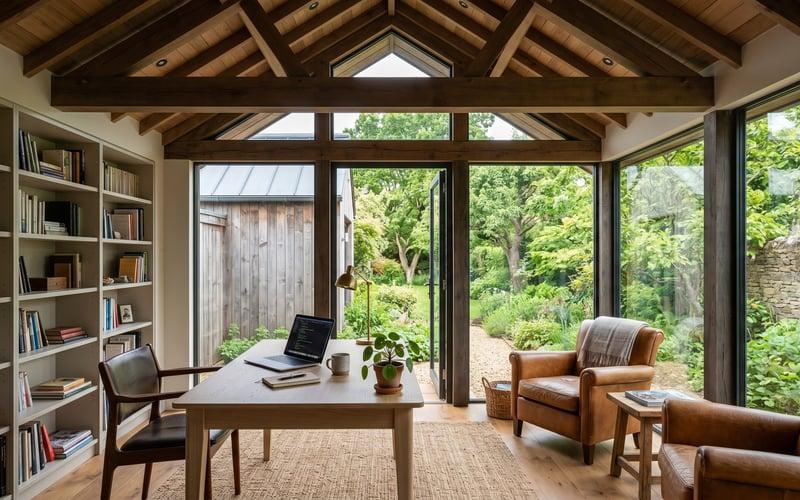
We're increasingly designing these spaces with the same care as a boutique studio: natural light, warm textures, and a calm palette that makes stepping inside feel like the practice has already begun.
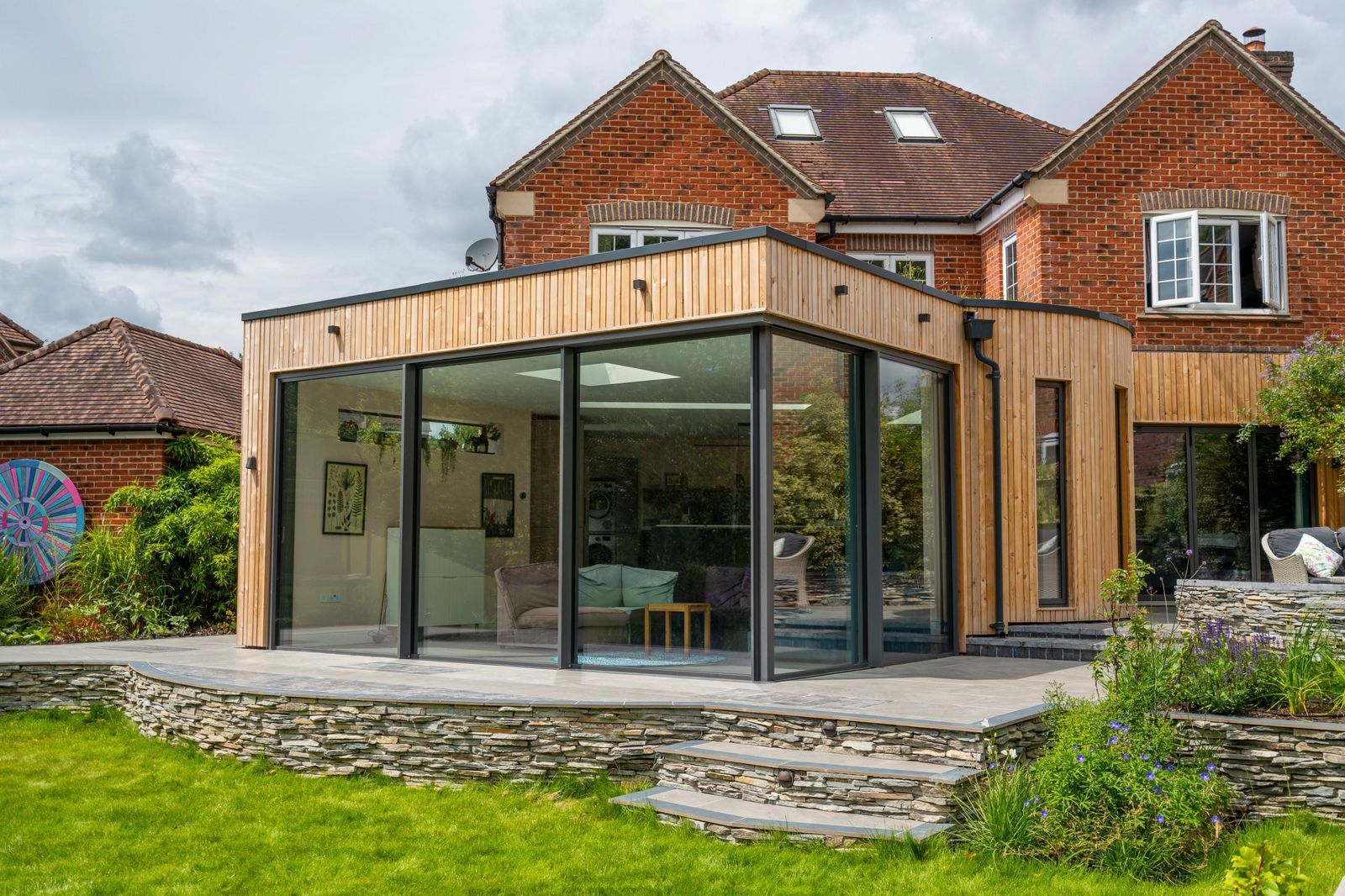
Light and outlook. Natural light and a view of green space set the tone before you've even started. We position glazing for the view while keeping the room private.
Air. Exercise produces heat and moisture. Good ventilation and controllable heating and cooling keep the room fresh and protect the building.
The floor. A home gym needs a floor built to take equipment and dropped weights; a yoga studio needs something warm and forgiving underfoot.
Headroom. Overhead lifts and some yoga poses need height, which is limited under permitted development, so the interior needs careful planning.
Calm. A restrained palette of natural materials and hidden storage keeps the room feeling like a retreat rather than a store room.
A gym or studio for your own household is usually treated as incidental to the house, so it can often be built under permitted development. Teaching classes or training clients may need planning permission, and saunas or plunge pools bring extra technical requirements. Our planning permission guide explains more, and our garden gyms and wellness studios page has ideas to get you started.
Begin your own project →