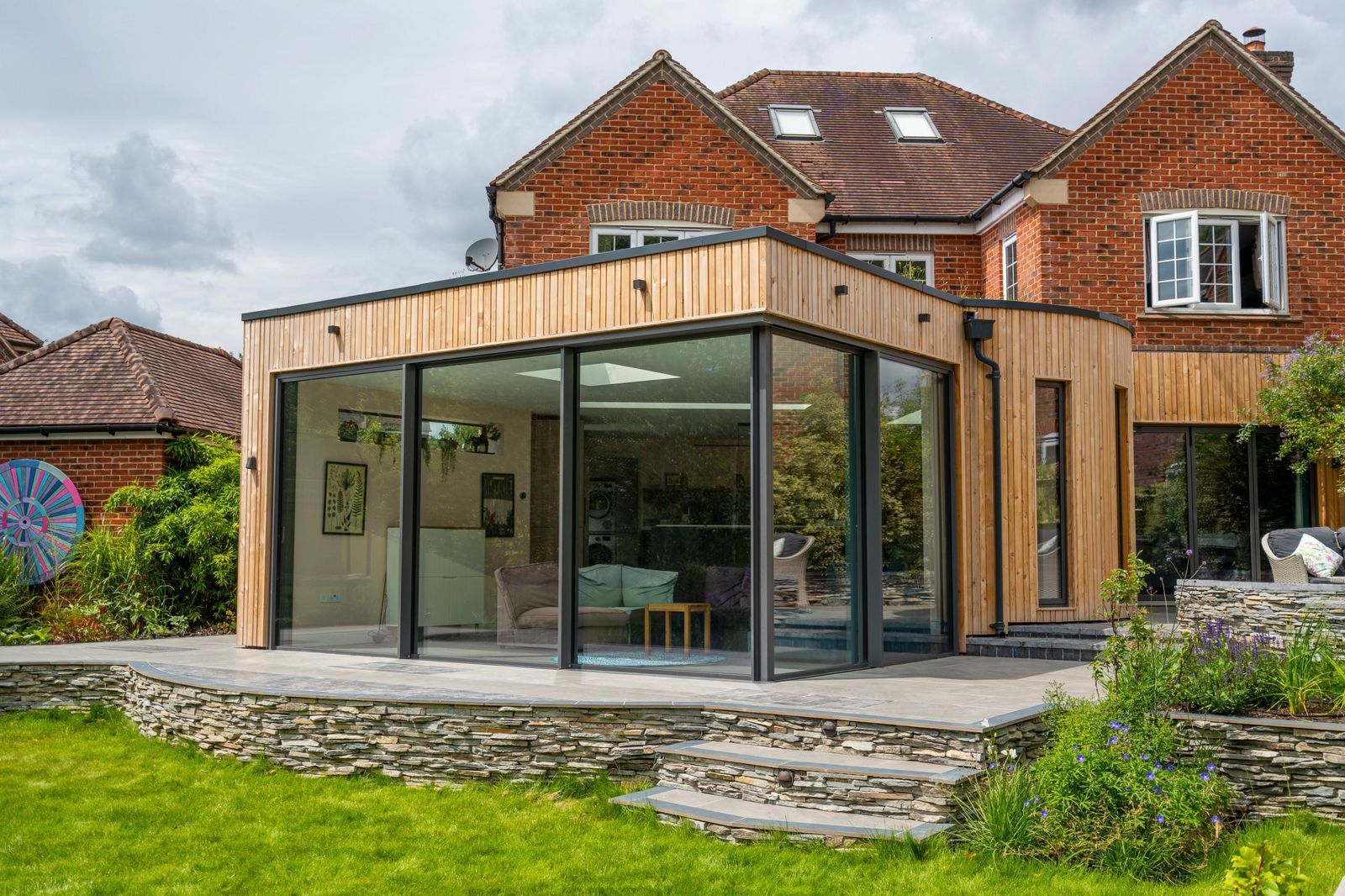
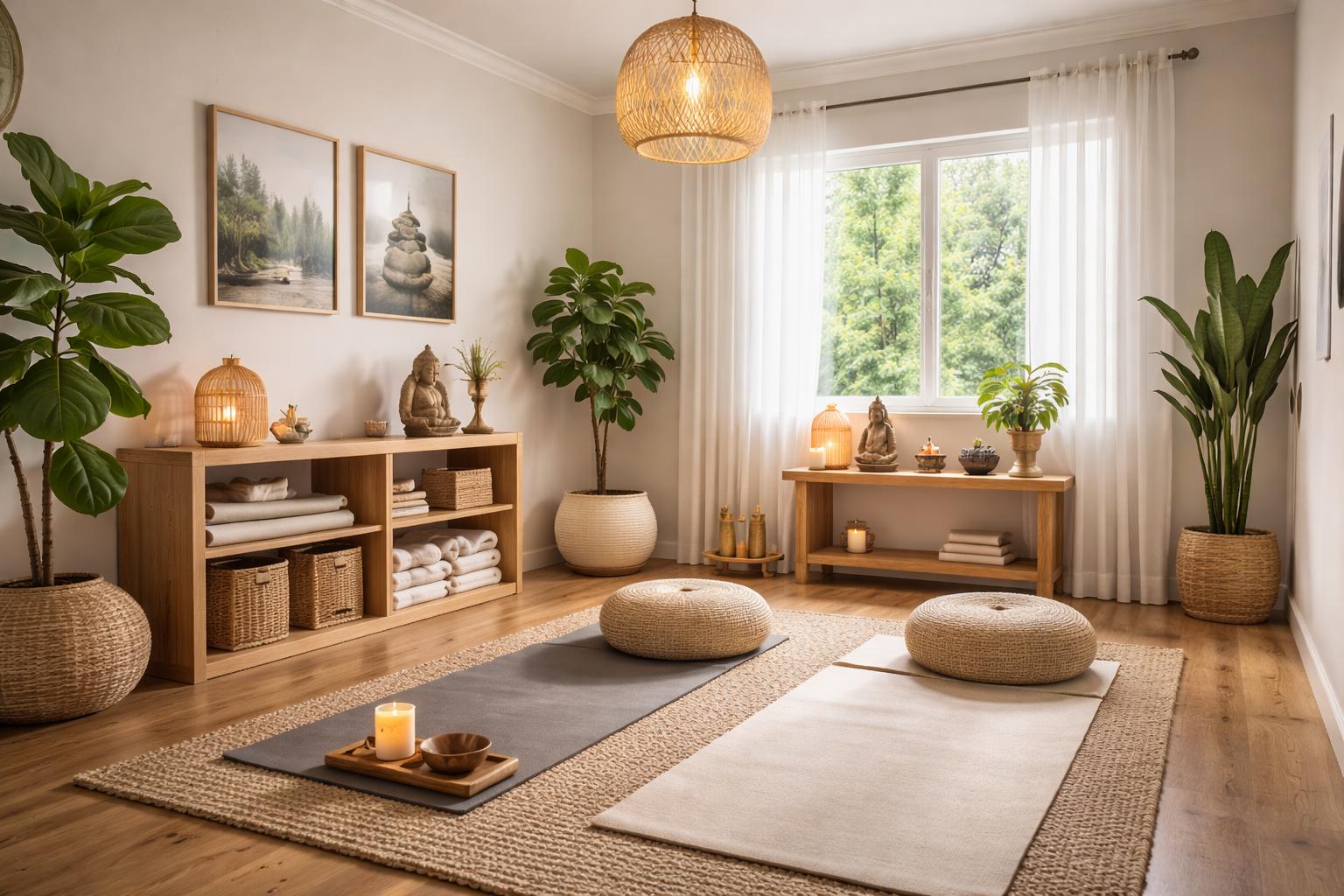
There's a particular kind of clarity that comes from walking a few steps across the garden to begin work, rather than simply turning around in the same room you slept in. A garden office isn't just a practical answer to space — it's a psychological one.
Separation matters. When your workspace is physically distinct from your home, the transition between the two becomes a ritual rather than a blur. You arrive. You leave. The day has edges again.
For those working from home permanently or several days a week, a considered garden office can be the difference between a job that follows you everywhere and a working life that has boundaries — and a room designed properly, with the right light and the right feel, becomes somewhere you actually want to be.
Year-round comfort. A garden office has to work in February as well as June. That means proper insulation in the floor, walls and roof, good glazing, and heating (and often cooling) sized to the room.
Power and connectivity. Plan sockets around where your desk and equipment will actually go, and don't rely on the house Wi-Fi reaching the end of the garden. A cabled connection or dedicated access point makes calls far more reliable.
Where the sun falls. Glazing that frames the garden is wonderful; glare across your screen at 3pm isn't. Orientation, overhangs and blinds all help.
Planning. Most garden offices are permitted development if they meet the height and size limits and are used by the household. Regular client visits can be different. Our planning permission guide explains the rules.
Every garden office we design starts with how you work: how many hours, how many screens, how many calls, and whether anyone else will share it. Explore our garden offices page for ideas, or read about what affects the cost of a garden room.
Begin your own project →